

Struggling with slow computer performance? You’re not alone. It can drive anyone up the wall.
We all expect our devices to work fast, right? But they don’t always cooperate. I’ve been there, and it’s frustrating.
Sometimes, it’s like the computer’s taken a coffee break while you wait. You might wonder if there’s something you missed. Is it the software?
Hardware? Maybe both?
I’ve dug into this issue, and believe me, it’s not just about deleting files or restarting. We need to look deeper (like into the guts of technology). How do you fix it without getting a degree in IT?
We’ve got to understand the core problems. This article will do just that.
You’ll learn what slows down your computer and, more importantly, how to speed things up. We’ve consulted tech experts who know their stuff. Trust me, you’ll leave knowing how to make your machine purr like a cat.
Diagnosing Software Bloat: The Performance Killers Lurking
Ever felt your computer dragging its feet? I know I have. That’s usually a sign of software bloat. It’s like your system is carrying extra baggage (unnecessary) programs and processes that hog resources. But don’t worry, we can tackle this.
Let’s start by taming those background processes. On Windows, you can use Task Manager (just hit Ctrl + Shift + Esc). For Mac users, it’s the Activity Monitor.
These tools show you which apps are eating up resources like a buffet. Kill non-important tasks and watch your machine breathe easier. But be careful!
Don’t end anything key. (Pro tip: Google is your friend when you’re unsure about a process.)
Now, about those sluggish startups. Too many programs launching at startup is like trying to sprint with a backpack full of bricks. Use Task Manager or System Settings to disable unnecessary startup items.
You’ll boot up faster and get to work quicker.
And then there’s the browser bottleneck. Modern web browsers can be sneaky, turning into resource hogs with too many open tabs or poorly coded extensions. It’s tempting to keep a million tabs open (guilty as charged), but it’s killing your performance.
Audit those browser add-ons. If you don’t use it, lose it. Your system will thank you.
By the way, if you’re dealing with tech issues beyond your computer, like a troublesome smart TV, check out these Steps Solve Smart Tv Connection Problems. It’s all about freeing up resources and cutting unnecessary weight.
So, if slow computer performance is bugging you, take charge. Trim the fat. Your computer isn’t just a tool; it’s your partner.
Keep it lean and mean, and it’ll serve you well.
Core System Health: Important Maintenance for Top Speed
Ever notice your computer dragging along like it’s stuck in digital molasses? It’s not just you. Slow computer performance is a pain we’ve all felt.
Updates are key here, but not just for security. They often pack in performance boosts and bug fixes you need. So don’t put off those OS and driver updates.
Especially the ones that target your graphics card. This isn’t just tech talk; it makes a real difference. Trust me.
Then there’s malware. It’s the sneaky thief hogging your CPU cycles. Running in the background, eating up your computer’s efficiency.
You need to fight back with solid anti-malware tools. Do a deep scan. Clear out the junk.
No one likes a digital squatter, right?
And let’s talk disk space. A packed hard drive? Bad news.
It’s like trying to run a marathon with a full backpack. Lack of space slows everything down, especially your OS drive. Here’s the part many overlook: file fragmentation.
On traditional HDDs, it scatters your data everywhere. Defragging is your broom here, sweeping things into order. But for SSDs, forget it.
They don’t need that kind of maintenance.
Curious about more culprits? Check out what these could be slowing down your computer. It’s a mix of neglected system checks and the occasional rogue app.
Remember, keeping your system in peak condition isn’t just about speed. It’s about sanity. Who wants to keep dealing with lag?
When Hardware Holds You Back: Beyond Software Fixes
Ever wondered why your computer’s slow performance persists despite software updates? It’s often because the hardware is the real culprit. to this.
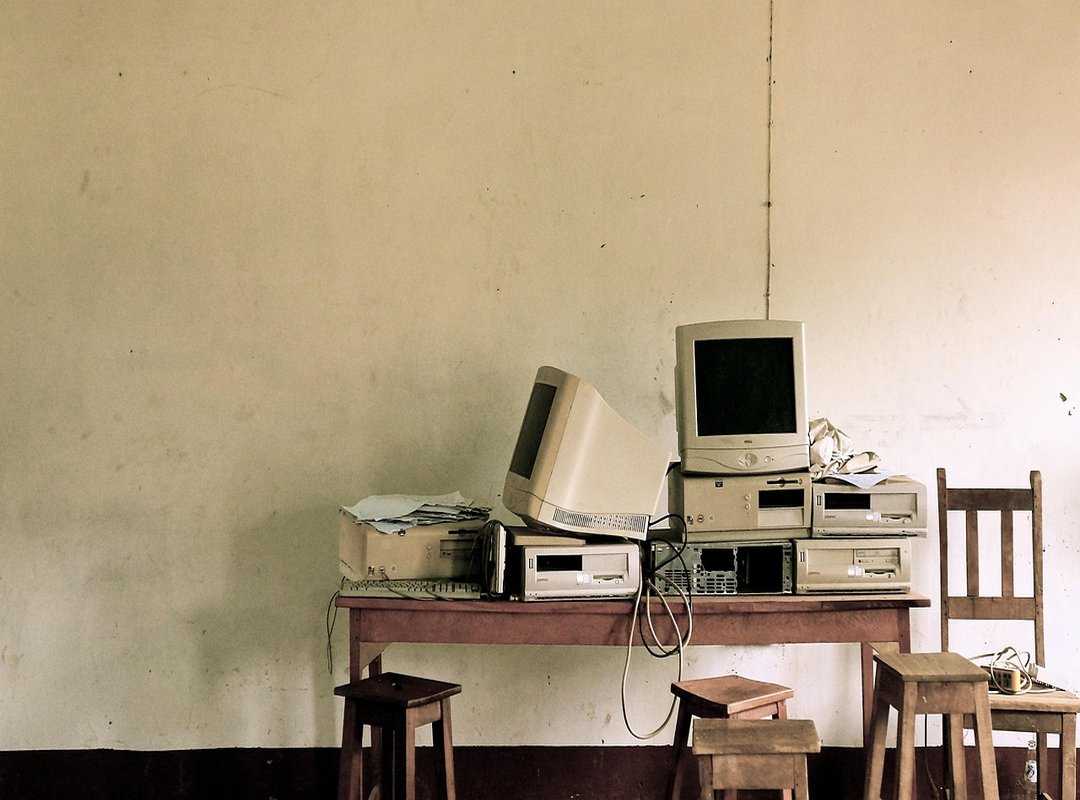
RAM is where your computer juggles tasks. Think of it as short-term memory. If you’ve got too little, everything slows down. Ever tried multitasking with large files only to watch your screen freeze? That’s your RAM crying for help. Checking current usage is simple. On a Windows machine, open Task Manager. Mac users, head to Activity Monitor. If you’re maxing out, consider adding more.
Next up, the storage drive. An aging Hard Disk Drive (HDD) is like a sluggish old mule. It just can’t keep up.
Solid-State Drives (SSDs), on the other hand, are nimble. They give your machine a massive speed boost. Upgrading from HDD to SSD is big.
It’s like swapping a flip phone for a smartphone.
Now, the CPU. The brain of your computer. If it’s underpowered or overheating, performance dives.
You’re left wondering why everything’s taking an eternity. Monitoring temperature and load is key. Tools like Core Temp or HWMonitor can help.
And let’s be honest, no one wants a meltdown.
If your computer’s still struggling, hardware might not be the only issue. Perhaps you’re managing tech challenges elsewhere too, like resolving smartphone battery drain.
Pro tip: Before throwing money at new parts, make sure you’ve identified the real bottleneck. It’s easy to blame software, but sometimes, the issue lurks deeper.
Beyond the Box: Is Your Network Causing the Slowdown?
When you think of slow computer performance, it’s tempting to blame your aging laptop. But what if the real culprit is your internet connection? It’s not always the computer itself.
You may notice a lag only when browsing the web, not while opening local files. That’s a clue.
Start by running an online speed test. If the numbers look dismal, your network might be the issue. Restart your router and modem.
Sounds basic, but it often works (trust me).
Still slow? Try a different device on the same network. If both are sluggish, it’s your internet, not the computer.
There’s more. DNS servers can also affect speed. Switching to a faster public DNS like Cloudflare’s 1.1.1.1 or Google’s 8.8.8.8 can make a noticeable difference.
It’s a quick tweak with potential for big results.
But here’s a pro tip: don’t just rely on tech fixes. Sometimes, moving your router to a more central location improves performance.
In the end, troubleshooting is about elimination. By isolating the problem, you can figure out if your computer’s slow performance is a device issue or just a bad internet day.
Turbocharge Your Tech Experience
Frustrated by slow computer performance? I get it. It’s a productivity killer.
But you’re not stuck. You’ve learned to dig deep, checking software, system health, hardware, and network factors. You can pinpoint the real culprits behind slowdowns.
You’re now ready to not just fix today’s issues but to keep your computer running smoothly long-term.
What’s next? Put your new skills to the test. Dive into your system, apply those diagnostic steps, and start seeing results.
Curious about more tech takeaways? Explore and learn about emerging breakthroughs. Equip yourself so your devices stay secure and optimized.
Ready to reclaim your tech efficiency? Begin now and feel the difference. Discover more at immorpos353.com for modern tips and solutions.
Don’t let your computer hold back your potential.

 Ask Joel Pablocincos how they got into innovation alerts and you'll probably get a longer answer than you expected. The short version: Joel started doing it, got genuinely hooked, and at some point realized they had accumulated enough hard-won knowledge that it would be a waste not to share it. So they started writing.
What makes Joel worth reading is that they skips the obvious stuff. Nobody needs another surface-level take on Innovation Alerts, Insider Knowledge, Secure Protocol Development. What readers actually want is the nuance — the part that only becomes clear after you've made a few mistakes and figured out why. That's the territory Joel operates in. The writing is direct, occasionally blunt, and always built around what's actually true rather than what sounds good in an article. They has little patience for filler, which means they's pieces tend to be denser with real information than the average post on the same subject.
Joel doesn't write to impress anyone. They writes because they has things to say that they genuinely thinks people should hear. That motivation — basic as it sounds — produces something noticeably different from content written for clicks or word count. Readers pick up on it. The comments on Joel's work tend to reflect that.
Ask Joel Pablocincos how they got into innovation alerts and you'll probably get a longer answer than you expected. The short version: Joel started doing it, got genuinely hooked, and at some point realized they had accumulated enough hard-won knowledge that it would be a waste not to share it. So they started writing.
What makes Joel worth reading is that they skips the obvious stuff. Nobody needs another surface-level take on Innovation Alerts, Insider Knowledge, Secure Protocol Development. What readers actually want is the nuance — the part that only becomes clear after you've made a few mistakes and figured out why. That's the territory Joel operates in. The writing is direct, occasionally blunt, and always built around what's actually true rather than what sounds good in an article. They has little patience for filler, which means they's pieces tend to be denser with real information than the average post on the same subject.
Joel doesn't write to impress anyone. They writes because they has things to say that they genuinely thinks people should hear. That motivation — basic as it sounds — produces something noticeably different from content written for clicks or word count. Readers pick up on it. The comments on Joel's work tend to reflect that.