
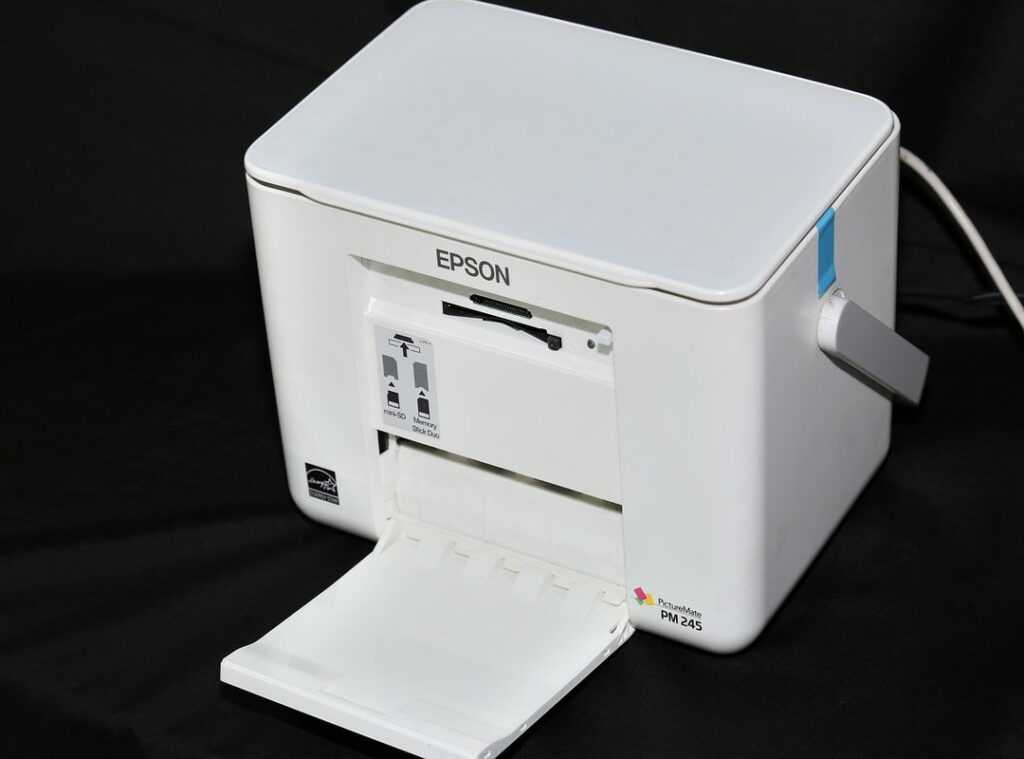
Is there anything more infuriating than a printer that decides to quit on you right before a deadline? We’ve all been there, staring at that blinking error light, feeling the clock tick away. But don’t worry; you’re not alone.
I know how it feels because I’ve been through this frustration countless times. The good news is, I’m here to help you troubleshoot printer issues with a simple guide that mimics a real technician’s checklist.
Instead of drowning in a sea of random errors, this guide starts with the easiest fixes and works its way up. Trust me, these steps work. I’ve used them to rescue printers for friends, family, and colleagues for years.
Our goal? Get your printer up and running in minutes, not hours. and get that stubborn machine working again.
The 5-Minute First-Aid Checklist: Start Here Before Anything Else
Let’s face it. Printer problems are like that one friend who always shows up uninvited. Annoying, right?
But before you start pulling your hair out, let’s troubleshoot printer issues with a simple checklist that solves half the problems. Think of it as your magic wand for fixing these pesky issues.
- Check the Power and Connections. Is it plugged in securely at both ends? You’d be surprised how often this is the culprit.
Make sure the power light is on and USB or Ethernet cables are firmly connected.
- The Simple Reboot. I swear by the ’30-second power cycle.’ Unplug both the printer and the computer, wait a bit, then plug them back in.
It’s like giving your devices a quick nap.
- Look for Obvious Error Messages. Check the printer’s display screen or any computer pop-ups.
Believe it or not, error codes are your best friends here. They’ll point you in the right direction.
- Is the Right Printer Selected? This one’s a classic.
- Try a Test Print. Print a self-test page directly from the printer’s menu.
Double-check the print dialog box on both Windows and Mac. Make sure you’re sending the job to the correct and ‘online’ printer.
It helps you figure out if the issue is with the printer or the computer.
Still having trouble? Maybe it’s time to learn more about similar tech fixes. A little extra knowledge never hurts.
And remember, patience is key. It’s just a printer, not the end of the world!
Taming the Printer Beast: Paper, Ink, and Noises
Printers can be a real headache, can’t they? to fixing those pesky physical glitches. First up: paper jams. We all know the drill (unplug) the printer before you even think about poking around inside.
Safety first! Then, gently pull the paper straight in the direction of the paper path. Don’t yank it; finesse is key here.
Check every access door because those sneaky places can hide surprise issues.
Ink and toner problems are next. Faded prints? Streaks?
Check your ink or toner levels directly from the computer or the printer’s display. You’d be surprised how often low levels are the culprit. Run a printhead cleaning cycle using the printer’s software.
It’s like giving your printer a spa day. If you’re dealing with toner, give it a gentle shake. Distribute that toner evenly, and you might just save the day.
Now, paper loading. Why does the printer sometimes grab paper like it’s on a mission? Or worse, why doesn’t it grab at all?
Fanning the paper stack before loading can solve a lot of those issues. Also, make sure the paper guides are snug against the stack. Loose guides can cause chaos.
Who knew paper needed such attention?
And then there’s the strange noises. Grinding or clicking usually means something’s seriously wrong. It could be a stripped gear or a massive paper jam.
If you’re hearing these sounds, brace yourself. This is often a sign that you’re facing a bigger problem. Maybe your printer’s on its last legs or needs a professional touch.
To help you troubleshoot these printer issues better, here’s a handy guide from Microsoft on how to troubleshoot printer issues. It covers everything from basic checks to more complex fixes. Let’s make sure your printer behaves like the obedient machine it’s supposed to be.
Fixing Digital Disconnects: Drivers, Software, and Wi-Fi Woes
Ever tried to print something, and it just… doesn’t? You’re not alone. to how to troubleshoot printer issues. If you’ve ever been stuck in a traffic jam, you’ll get this (the) print queue can back up like a highway at rush hour.

All those documents sitting in line, waiting. It’s frustrating. For Windows, find the print queue, cancel all documents, then restart the Print Spooler service.
Mac users, head to System Preferences, find the queue, and clear it. Simple, right?
Drivers are like translators for your computer and printer. If they’re outdated or corrupt, it’s like trying to communicate with someone who doesn’t speak your language. To fix this, find your printer model.
Go to the manufacturer’s site, download, and install the latest driver. It’s like updating your phone (you) do it to get the best out of it.
Wireless printing problems are the worst, especially when everything else seems to work. Reboot your Wi-Fi router. It’s like resetting your brain after a long day (sometimes things just need a fresh start).
Make sure your printer and computer are on the same Wi-Fi network. They need to be on the same team. Use the printer’s built-in ‘Wireless Setup Wizard’ to reconnect.
If you’re feeling brave, check the printer’s IP address as an advanced step. It’s not rocket science, but it feels like it sometimes.
Why do we put up with these tech tantrums? Because when it works, it’s magic. But when it doesn’t, it’s a nightmare.
These steps might feel like a chore, but they can save you time and frustration. And let’s be real, who has time for printer drama?
So, if you’re dealing with a smart TV connection issue, check out these steps solve smart tv connection problems. Because let’s face it, tech problems love company.
Pro tip: Bookmark this page. You’ll thank me the next time your printer throws a fit. And remember, patience is key.
Like waiting for your favorite show to drop a new season. Keep calm and print on.
Get It Right: Advanced Troubleshooting & When to Call Help
Sometimes, the built-in diagnostics tools are your best friend. I know. Digging through a printer’s software isn’t anyone’s idea of a fun afternoon.
But if you dive into the ‘Tools’ or ‘Maintenance’ section, those diagnostics can often sort out basic issues. Don’t overlook firmware updates either. They’re like the vitamins of your printer’s internal software, often ironing out those pesky bugs.
Get professional help. Your sanity is worth it. So, always have a “When to Stop” checklist.
But, let’s face reality. You can’t troubleshoot printer issues forever. If you’re seeing the same error codes, smelling something suspiciously like burning plastic, or noticing any physical damage, it’s time to stop messing around.
Save yourself some frustration.
Regain Your Printing Mojo
So, your printer’s issues are behind you. That’s a relief, right? You followed the steps, moving from the basics to physical checks, then digital.
A dead printer? Total headache. But now, less so.
With this checklist, you can handle most problems yourself and know when to call for backup. That’s the power of structure. Feel more confident now?
Here’s the plan: troubleshoot printer issues with ease next time. Bookmark this guide. Keep it handy.
No more stress or uncertainty. It’s time to take control. Ready to print like a pro?
Dive back in and conquer those pages!

 Ask Zelviera Durnhanna how they got into device troubleshooting guides and you'll probably get a longer answer than you expected. The short version: Zelviera started doing it, got genuinely hooked, and at some point realized they had accumulated enough hard-won knowledge that it would be a waste not to share it. So they started writing.
What makes Zelviera worth reading is that they skips the obvious stuff. Nobody needs another surface-level take on Device Troubleshooting Guides, Core Tech Concepts and Basics, Emerging Device Breakthroughs. What readers actually want is the nuance — the part that only becomes clear after you've made a few mistakes and figured out why. That's the territory Zelviera operates in. The writing is direct, occasionally blunt, and always built around what's actually true rather than what sounds good in an article. They has little patience for filler, which means they's pieces tend to be denser with real information than the average post on the same subject.
Zelviera doesn't write to impress anyone. They writes because they has things to say that they genuinely thinks people should hear. That motivation — basic as it sounds — produces something noticeably different from content written for clicks or word count. Readers pick up on it. The comments on Zelviera's work tend to reflect that.
Ask Zelviera Durnhanna how they got into device troubleshooting guides and you'll probably get a longer answer than you expected. The short version: Zelviera started doing it, got genuinely hooked, and at some point realized they had accumulated enough hard-won knowledge that it would be a waste not to share it. So they started writing.
What makes Zelviera worth reading is that they skips the obvious stuff. Nobody needs another surface-level take on Device Troubleshooting Guides, Core Tech Concepts and Basics, Emerging Device Breakthroughs. What readers actually want is the nuance — the part that only becomes clear after you've made a few mistakes and figured out why. That's the territory Zelviera operates in. The writing is direct, occasionally blunt, and always built around what's actually true rather than what sounds good in an article. They has little patience for filler, which means they's pieces tend to be denser with real information than the average post on the same subject.
Zelviera doesn't write to impress anyone. They writes because they has things to say that they genuinely thinks people should hear. That motivation — basic as it sounds — produces something noticeably different from content written for clicks or word count. Readers pick up on it. The comments on Zelviera's work tend to reflect that.