The world’s moving away from fossil fuels, but what’s next? It’s confusing, right? There are countless alternatives, each claiming to be the future.
I’m here to cut through that noise. This article dives into renewable energy technologies, both established and emerging. Why should you trust this?
Because I focus deeply on core technological advancements and breakthroughs in the energy sector. You’ll get a clear, structured guide to what works today and what promises to reshape tomorrow. Ready to get through this space with confidence?
Let’s uncover the truths about sustainable energy solutions that are truly viable now and in the near future.
Defining Sustainable Energy: More Than Just Green Power
Sustainable energy is a big deal. But what exactly makes it “sustainable”? Three pillars come to mind: environmental integrity, economic viability, and social equity.
These aren’t just buzzwords. They’re what separate the wheat from the chaff in energy solutions. Think of it this way: a truly sustainable energy source doesn’t just keep the lights on.
It does so without trashing the planet or bankrupting the community.
Now, let’s clear up a common confusion. “Sustainable” and “renewable” aren’t the same thing. Sure, they overlap. Many renewable energy technologies are sustainable, but not all sustainable energy is renewable.
Confused? You shouldn’t be. Renewable refers to sources that naturally replenish, like wind or solar.
Sustainable, however, considers the entire lifecycle and impact, from production to disposal.
Breaking it down, a sustainable energy source should have some key characteristics. Low-to-zero carbon emissions are a must. Minimal environmental degradation is non-negotiable.
And, of course, resource renewability plays a role. But affordability matters too. What’s the point of a green solution if no one can afford it?
Understanding these terms can feel like a headache, right? But once you get it, you’ll see why they’re key in choosing the right energy path. The rest of this article?
Consider it your guide through solutions that meet these criteria.
And if you’re curious about modern tech beyond just energy, check out next gen autonomous vehicles. It’s all connected, after all.
The Core Pillars: Proven Sustainable Energy Tech
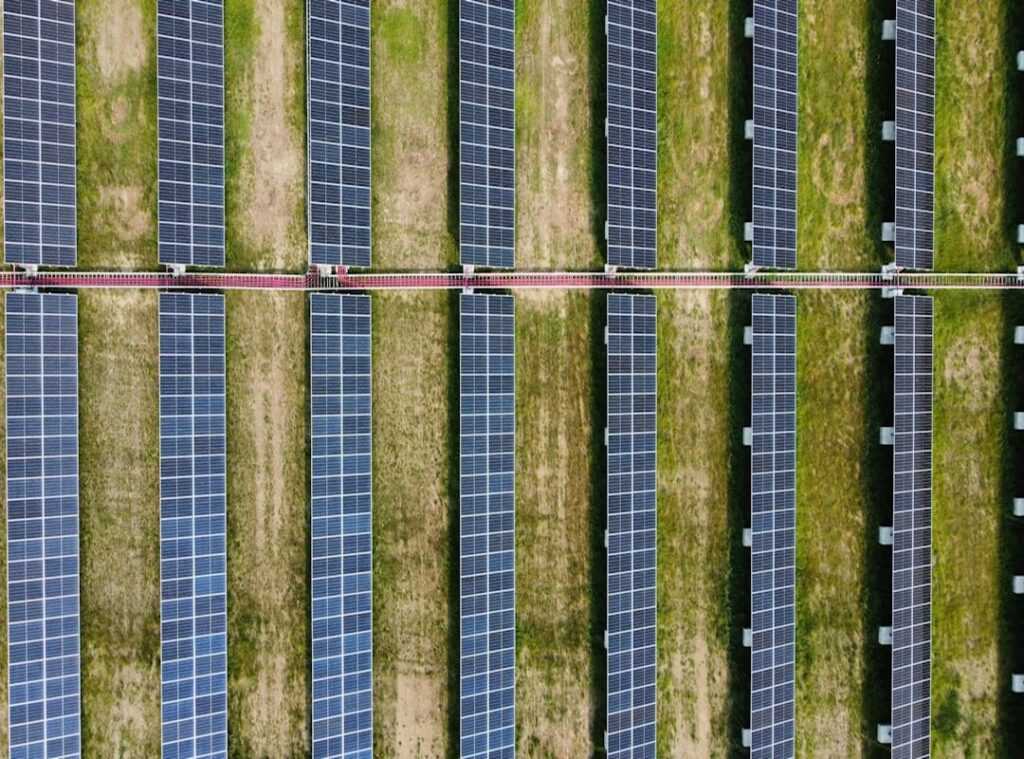
Solar Power (Photovoltaic & Thermal): Ever lay on the beach and feel the sun’s warmth? That’s solar energy in action. Photovoltaic panels convert sunlight directly into electricity. It’s clean and becoming cheaper, which makes it accessible for both homes and huge power plants. Thermal systems use the sun’s heat for water and space heating. Falling costs (that’s) the buzzword. It’s the primary driver for solar’s rapidly expanding role among renewable energy technologies.
Wind Power (Onshore & Offshore): Picture those gigantic white turbines spinning in the breeze. Onshore wind farms are more common and cost-effective, but they’re noisy and need space. Offshore installations? They catch stronger, steadier winds and don’t compete for land, but they cost more to build and maintain. Still, the potential is massive. A single offshore wind farm can power a whole city. Which would you choose?
Hydropower: Dams and rivers generating electricity might sound old-school, but they work. Dams create reservoirs and release water through turbines. It’s fast and reliable. But let’s be honest about the downsides: environmental, social, and even political challenges arise with large dams. Run-of-river systems are less intrusive yet not as constant. Worth pondering if the trade-off is valid.
Geothermal & Biomass: Geothermal taps into the Earth’s natural heat (think) of it like nature’s furnace. It’s consistent, not weather-dependent like wind or solar. Biomass converts organic waste into energy. It’s like getting a second life out of discarded materials. Both offer sustainable options if managed correctly. You know the phrase “reduce, reuse, recycle”? Biomass embodies it.
Mistakes and lessons? Over-relying on a single source can backfire. Diversification is key.
If we learned anything, it’s that betting on just one horse in this energy race leaves you vulnerable. So, we need a mix. The world demands it, and our planet deserves it.
Look around. The old energy paths are fading, and these new pillars are the future.
The Next Wave: Innovations Shaping Our Energy Future
Green hydrogen is a game changer. I mean, imagine producing hydrogen using renewable energy sources to power everything from cars to factories. It’s a versatile energy carrier that could revolutionize transport and industry.

But is it too good to be true? Well, it has its challenges like infrastructure and cost. Yet, the potential is enormous, especially as renewable energy technologies advance.
Then there’s advanced energy storage. Batteries are key here, with lithium-ion and solid-state leading the charge (pun intended). They play a key role in tackling the intermittency problem of renewables.
You know the drill: the sun doesn’t always shine, and the wind doesn’t always blow. But let’s not forget other storage solutions like pumped hydro and compressed air. These methods offer reliable options, but can they scale up fast enough?
It’s a race against time.
Tidal and wave power, on the other hand, might not be the first thing you think of when discussing energy, but they’re solid contenders. These forms of marine energy are predictable and reliable. Tides and waves are consistent, unlike wind or solar.
So why aren’t they everywhere? They need more development and investment, but their potential is as vast as the ocean itself.
Now, let’s talk next-generation nuclear. Small Modular Reactors (SMRs) could be the future of nuclear power. They’re flexible and boast enhanced safety features compared to traditional plants.
SMRs might just solve the nuclear dilemma we’ve faced for decades. But are they ready for prime time? That’s debatable, yet they offer promising possibilities.
In a world eager for solutions, these innovations stand out. Each has its pros and cons, but together they could redefine how we think about energy. If you’re curious about more modern developments, check out the latest innovations ai robotics.
It’s an exciting time, isn’t it?
From Concept to Reality: Benefits and Hurdles
Renewable energy technologies are changing the game. But are they all sunshine and rainbows? to both sides.
Key Benefits: Going green isn’t just for tree-huggers. It means energy independence. Think about it. Not relying on unstable foreign oil is huge. It’s like when you finally pay off your student loans and feel that weight lift. Plus, there’s long-term cost stability. Your wallet will thank you. And let’s not forget, renewable tech is creating jobs in new sectors. Imagine the boom in the tech industry akin to the rise of Silicon Valley. Oh, and improved public health? Cleaner air, less asthma. That’s a win.
Primary Challenges: Now, the hurdles. First, grid modernization. Our current systems are like using a flip phone in a smartphone world. Intermittency and storage are real issues. Sun doesn’t always shine, wind doesn’t always blow. Those initial capital costs? High. Like buying a Tesla when you’re used to a Corolla. Lastly, supportive policies. Policymakers need to step up. Remember how net neutrality sparked debates? We need that kind of passion here.
So, are we ready to tackle these challenges head-on? The benefits are enticing, but the hurdles are very real. Just like in any good movie, the hero’s journey isn’t smooth sailing.
Driving the Future of Energy
The journey from solar and wind to the new frontier of green hydrogen and advanced storage is thrilling. The shift is complex, but the arsenal of renewable energy technologies is stronger than ever. You know this isn’t just about understanding tech (it’s) about making informed choices.
You’re not alone in this; individuals and businesses face the same challenge.
So what now? Stay in the loop. Keep up with these evolving fields.
Your decision could be part of the solution. Don’t just watch from the sidelines. Dive in.
Be part of the change. Ready to power forward?

 Ask Joel Pablocincos how they got into innovation alerts and you'll probably get a longer answer than you expected. The short version: Joel started doing it, got genuinely hooked, and at some point realized they had accumulated enough hard-won knowledge that it would be a waste not to share it. So they started writing.
What makes Joel worth reading is that they skips the obvious stuff. Nobody needs another surface-level take on Innovation Alerts, Insider Knowledge, Secure Protocol Development. What readers actually want is the nuance — the part that only becomes clear after you've made a few mistakes and figured out why. That's the territory Joel operates in. The writing is direct, occasionally blunt, and always built around what's actually true rather than what sounds good in an article. They has little patience for filler, which means they's pieces tend to be denser with real information than the average post on the same subject.
Joel doesn't write to impress anyone. They writes because they has things to say that they genuinely thinks people should hear. That motivation — basic as it sounds — produces something noticeably different from content written for clicks or word count. Readers pick up on it. The comments on Joel's work tend to reflect that.
Ask Joel Pablocincos how they got into innovation alerts and you'll probably get a longer answer than you expected. The short version: Joel started doing it, got genuinely hooked, and at some point realized they had accumulated enough hard-won knowledge that it would be a waste not to share it. So they started writing.
What makes Joel worth reading is that they skips the obvious stuff. Nobody needs another surface-level take on Innovation Alerts, Insider Knowledge, Secure Protocol Development. What readers actually want is the nuance — the part that only becomes clear after you've made a few mistakes and figured out why. That's the territory Joel operates in. The writing is direct, occasionally blunt, and always built around what's actually true rather than what sounds good in an article. They has little patience for filler, which means they's pieces tend to be denser with real information than the average post on the same subject.
Joel doesn't write to impress anyone. They writes because they has things to say that they genuinely thinks people should hear. That motivation — basic as it sounds — produces something noticeably different from content written for clicks or word count. Readers pick up on it. The comments on Joel's work tend to reflect that.