
If you’re searching for edge computing explained, you likely want more than a surface-level definition. You want to understand how it works, why it matters now, and how it impacts everything from smart devices to secure network architecture. As data generation accelerates and latency becomes a critical bottleneck, edge computing is transforming how information is processed, stored, and protected.
This article breaks down the core concepts behind edge computing, clarifies how it differs from traditional cloud models, and explores the latest device-level innovations driving its adoption. We’ll also examine secure protocol development and common implementation challenges, so you can see both the opportunities and the risks.
Our insights are grounded in ongoing analysis of emerging tech breakthroughs, real-world deployment patterns, and security-focused engineering practices. By the end, you’ll have a clear, practical understanding of edge computing and how it fits into the evolving digital infrastructure landscape.
Why Your Data’s Commute is Getting Shorter
Every time your video buffers or a smart sensor lags, you’re feeling the strain of data traveling miles to a centralized cloud “brain” for processing. Traditionally, cloud computing works like headquarters: devices send information upstream, wait for instructions, then act. However, with billions of devices online (Gartner estimates over 15 billion IoT devices in use), the trip creates congestion and delay.
So what’s changing? Processing is moving closer to the source. In this edge computing explained guide, you’ll see how nodes analyze data, reduce latency, strengthen security, and outperform clouds in modern deployments.
Defining the Edge: Processing Power Where It’s Needed
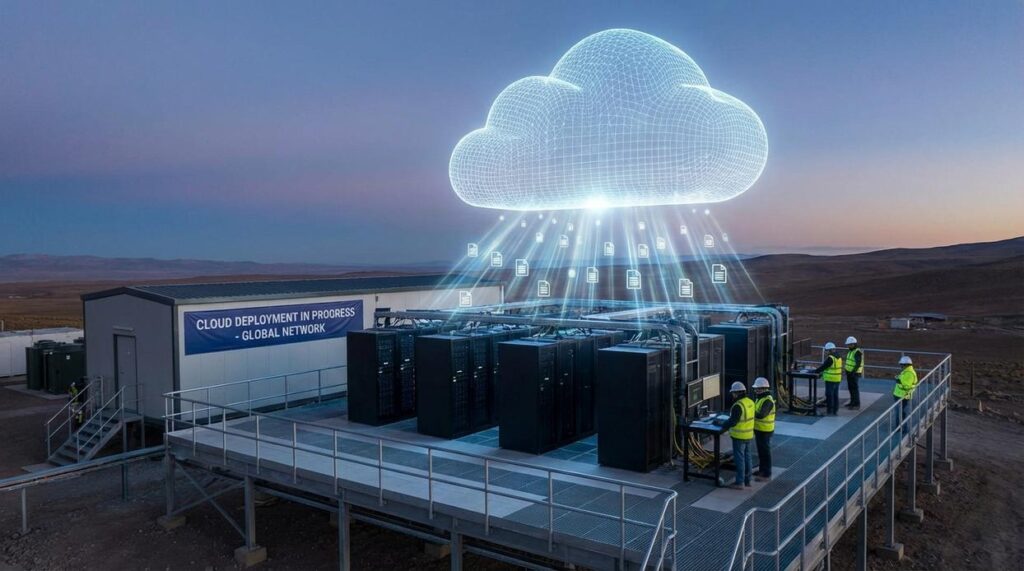
Edge computing is a decentralized computing structure that brings computation and data storage closer to the sources of data. In simple terms, it means processing information near the device that creates it instead of sending everything far away to a central data center.
Think of the cloud as a corporate headquarters. Every decision and report flows back to HQ. It’s powerful, but slow when every small request needs approval. The edge is like regional branch offices. They handle local tasks immediately and only escalate big-picture issues upward. Faster service, less congestion (and fewer frantic calls to HQ).
Edge computing doesn’t replace the cloud—it works with it. The edge handles time-sensitive actions like detecting a security breach from a camera feed or stopping a factory machine before it overheats. The cloud, meanwhile, stores massive datasets and performs advanced analytics.
Here’s how it fits together:
- End devices: IoT sensors, cameras, smart meters generating raw data.
- Edge gateways/servers: Nearby systems filtering and processing data in real time.
- Central cloud: Long-term storage and large-scale analysis.
If you’ve searched for edge computing explained, this structure is the core idea: process locally, analyze globally. Pro tip: prioritize edge setups when milliseconds matter.
The Core Advantages: Speed, Savings, and Security

1. Drastically Reduced Latency
Latency (the delay between sending and receiving data) is the silent killer of performance. When data travels to a distant cloud server and back, milliseconds add up. By processing locally, that round trip disappears. An autonomous vehicle can’t “buffer” before braking. It must interpret sensor input and react instantly. The same goes for augmented reality—lag breaks immersion faster than a bad CGI scene in a superhero sequel.
Recommendation: If your application depends on real-time decisions, prioritize local processing first and cloud second.
2. Lower Bandwidth Costs
Bandwidth is essentially the volume of data transmitted over a network. Sending everything to the cloud is expensive and inefficient. Pre-processing data locally means only summarized, relevant insights travel upstream. For example, a factory sensor can send anomaly alerts instead of 24/7 raw footage. That significantly cuts transmission costs (and your monthly bill).
Pro tip: Audit which data truly needs long-term storage before committing to cloud-heavy architecture.
3. Enhanced Reliability and Offline Capability
Systems operating in remote oil fields, ships at sea, or rural hospitals can’t rely on constant connectivity. Local systems continue functioning even if the cloud connection drops. That independence is mission-critical.
If you’re building infrastructure for harsh or remote environments, design for offline-first resilience.
4. Improved Data Privacy
Keeping sensitive information within a local network reduces exposure to interception risks. Fewer transmission points mean fewer vulnerabilities. This aligns closely with cybersecurity basics everyone should know in 2026.
In short, edge computing explained simply means processing data near its source—and in many cases, it’s the smarter, safer choice.
Edge Computing in the Real World
Smart Manufacturing (Industry 4.0)
First, consider a modern factory floor. Machines are equipped with sensors that continuously measure vibration and temperature. Instead of sending every data point to a distant cloud server, the data is processed locally. This setup—often summarized as edge computing explained in practical terms—means analysis happens right where the machine operates. If abnormal vibration patterns suggest bearing failure, the system flags it instantly. As a result, maintenance teams fix the issue before a costly shutdown occurs. Equally important, only meaningful insights travel across the network, preventing bandwidth overload.
Retail Analytics
Meanwhile, retailers are solving a different challenge: understanding customer behavior without compromising privacy. Smart cameras now process video feeds on-device, counting foot traffic and tracking movement patterns in real time. Because analysis happens locally, stores don’t need to store or transmit personally identifiable footage. Consequently, managers can adjust staffing, optimize shelf placement, and restock high-demand items immediately—without building massive video archives.
Healthcare and Wearables
In healthcare, speed can be lifesaving. A wearable heart monitor, for example, analyzes vital signs directly on the device. If it detects an arrhythmia, it sends a critical alert to a physician rather than streaming constant raw data. This approach reduces data noise and ensures doctors focus only on actionable events.
Content Delivery Networks (CDNs)
Finally, streaming platforms rely on edge servers to cache popular shows closer to viewers. By shortening the distance data travels, they minimize buffering and deliver smoother playback—even during peak demand.
The Road Ahead: Opportunities and Hurdles
The next leap is Edge AI, where algorithms run directly on devices for real-time decisions without cloud delays. Think autonomous drones avoiding obstacles instantly or smart factories stopping defects mid-line (no buffering wheels). This is edge computing explained in action: data processed locally for speed, privacy, and resilience.
What makes it scalable? 5G. With gigabit bandwidth and sub-10 millisecond latency, 5G links thousands of sensors seamlessly, unlocking richer analytics at the edge.
Yet complexity grows. Managing, updating, and securing millions of distributed endpoints demands zero-trust architectures, over-the-air patching, and unified monitoring dashboards. Automation and policy engines reduce risk at scale.
Last year, I watched a factory floor stall because every sensor ping had to travel to a distant cloud before acting. That lag changed my view on infrastructure. We’re shifting from a centralized model to a distributed one where processing happens at the most logical location. In simple terms, edge computing explained means analyzing data near its source instead of miles away. The payoff is FAST decisions, tighter security, and less bandwidth waste (which saves money). Some argue central clouds are simpler to manage. Fair—but as billions of devices connect, local intelligence isn’t optional. It’s the default for responsive applications.
Take Control of Your Edge Strategy Today
You came here looking for clarity on edge computing explained, and now you have a practical understanding of how it works, why it matters, and where it fits into modern infrastructure. From latency reduction to secure protocol deployment and real-time device processing, the pieces are no longer abstract—they’re actionable.
If you’ve been struggling with slow data processing, bandwidth strain, security vulnerabilities, or uncertainty around emerging device integration, those pain points don’t fix themselves. The longer your systems rely solely on centralized models, the more performance gaps and security risks you face.
The smartest move now is simple: evaluate where edge deployment can eliminate bottlenecks in your current architecture and start implementing secure, scalable edge frameworks immediately. Don’t wait for outages or inefficiencies to force your hand.
Take the next step today—review your infrastructure, identify latency-sensitive workloads, and implement a hardened edge strategy that keeps your systems fast, secure, and future-ready. The organizations that act now are the ones leading tomorrow’s innovation.

 Ask Zelviera Durnhanna how they got into device troubleshooting guides and you'll probably get a longer answer than you expected. The short version: Zelviera started doing it, got genuinely hooked, and at some point realized they had accumulated enough hard-won knowledge that it would be a waste not to share it. So they started writing.
What makes Zelviera worth reading is that they skips the obvious stuff. Nobody needs another surface-level take on Device Troubleshooting Guides, Core Tech Concepts and Basics, Emerging Device Breakthroughs. What readers actually want is the nuance — the part that only becomes clear after you've made a few mistakes and figured out why. That's the territory Zelviera operates in. The writing is direct, occasionally blunt, and always built around what's actually true rather than what sounds good in an article. They has little patience for filler, which means they's pieces tend to be denser with real information than the average post on the same subject.
Zelviera doesn't write to impress anyone. They writes because they has things to say that they genuinely thinks people should hear. That motivation — basic as it sounds — produces something noticeably different from content written for clicks or word count. Readers pick up on it. The comments on Zelviera's work tend to reflect that.
Ask Zelviera Durnhanna how they got into device troubleshooting guides and you'll probably get a longer answer than you expected. The short version: Zelviera started doing it, got genuinely hooked, and at some point realized they had accumulated enough hard-won knowledge that it would be a waste not to share it. So they started writing.
What makes Zelviera worth reading is that they skips the obvious stuff. Nobody needs another surface-level take on Device Troubleshooting Guides, Core Tech Concepts and Basics, Emerging Device Breakthroughs. What readers actually want is the nuance — the part that only becomes clear after you've made a few mistakes and figured out why. That's the territory Zelviera operates in. The writing is direct, occasionally blunt, and always built around what's actually true rather than what sounds good in an article. They has little patience for filler, which means they's pieces tend to be denser with real information than the average post on the same subject.
Zelviera doesn't write to impress anyone. They writes because they has things to say that they genuinely thinks people should hear. That motivation — basic as it sounds — produces something noticeably different from content written for clicks or word count. Readers pick up on it. The comments on Zelviera's work tend to reflect that.