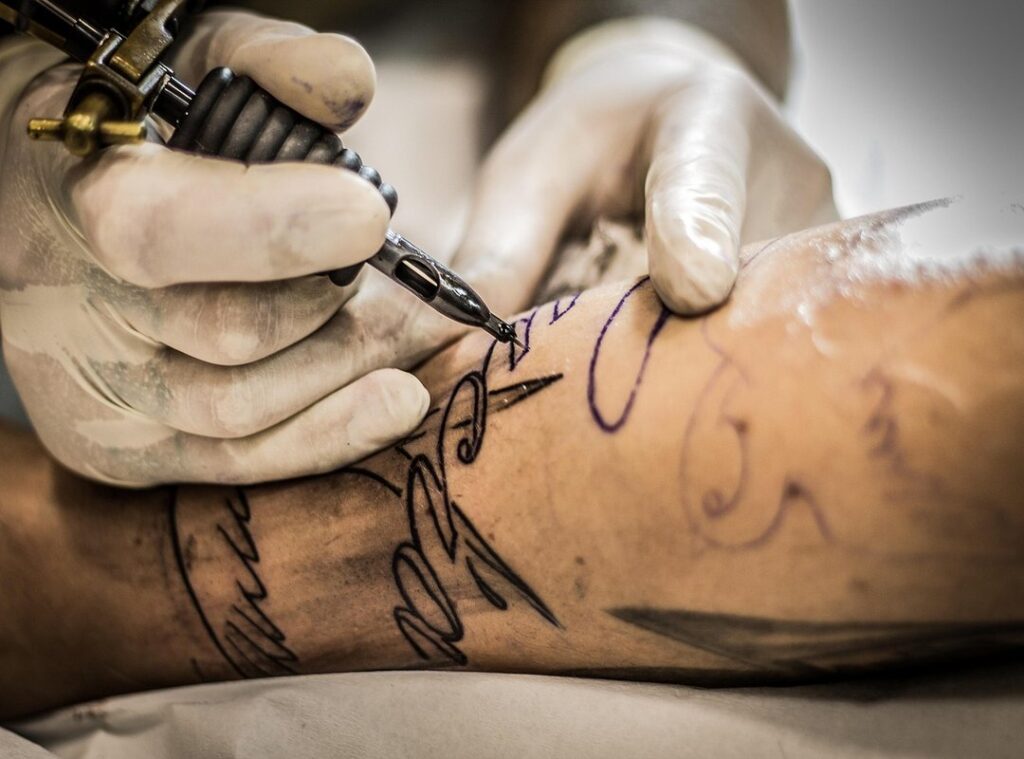
When you see a polynesische tattoo onderarm, it’s hard to look away. The bold lines and intricate patterns grab your attention. These tattoos are more than just skin art.
They’re a visual language, telling stories of heritage, family, and personal journeys. This article will guide you through the deep symbolism, different styles, and what to consider before getting one. By the end, you’ll know how to get a tattoo that’s both beautiful and culturally respectful.
Decoding the Symbols: Common Meanings in Forearm Designs
Every pattern in a Polynesian tattoo has a specific meaning. Combining them creates a unique narrative.
Take the Turtle, or honu. It represents family, longevity, and navigation. This makes it a great central element in a polynesische tattoo onderarm.
Shark Teeth, or niho mano, symbolize protection, strength, and guidance. They are often used as a border or filler pattern.
Spearheads represent courage, fighting spirit, and the warrior. They show direction and power in a design.
Enata symbols represent humans and gods. You can arrange them to depict relationships, social status, and life experiences.
Other key symbols include the Ocean, represented by waves, which symbolize life and change. The Sun stands for richness and leadership. These elements tie a forearm design together.
When choosing your design, think about what you want to express. Do you value family and guidance? Go for the honu and niho mano.
If you’re all about courage and leadership, spearheads and the Sun might be your go-to.
Remember, each symbol adds a layer of meaning. So, pick ones that resonate with your personal story.
Choosing Your Style: From Samoan Tatau to Maori Tā Moko
When you hear “Polynesian,” it’s easy to think it’s all the same. But it’s not. Each culture has its own unique style, and that matters when you’re choosing a tattoo.
Samoan Tatau is known for its dense, geometric patterns. It’s heavy on blackwork, with lines that follow the body’s form. This style is perfect for a full forearm sleeve, giving you that bold, traditional look.
Marquesan tattoos, on the other hand, feature large, symbolic motifs like the tiki, turtles, and lizards. The filler patterns are less dense compared to Samoan tattoos, making them stand out in a different way.
Maori Tā moko is famous for its spiral motifs (koru) and curved lines. These intricate designs tell a story of one’s genealogy (whakapapa). It’s a deeply personal and meaningful style, perfect for those who want their tattoo to reflect their heritage.
Tahitian tattoos incorporate more rounded shapes and less rigid geometric patterns. They focus on natural elements, giving a softer, more organic feel.
If you’re considering a polynesische tattoo onderarm, take a look at examples of each style. See which visual language resonates most with your personal story.
Choosing the right style isn’t just about aesthetics; it’s about connecting with a part of your identity.
Designing for the Forearm: Placement, Flow, and Composition
The forearm is a unique canvas. It’s not just flat; it moves and flexes with your arm. A good design needs to wrap around the muscles and flow naturally. Immorpos353
When we talk about flow, think of how the main lines of the tattoo should complement the arm’s natural shape, from the wrist to the elbow. Imagine a river flowing smoothly over rocks. That’s what you want your tattoo to do.
Now, let’s look at placement options. You’ve got a few choices:
– Full sleeve: This covers the entire arm, from wrist to shoulder.
– Half-sleeve (upper or lower forearm): This can be either from the wrist to the elbow or from the elbow to the shoulder.
– Inner or outer forearm: These are more contained pieces, often smaller and more subtle.
Each option has its pros and cons. A full sleeve is a bold statement, but it requires a lot of time and commitment. A half-sleeve or a smaller piece on the inner or outer polynesische tattoo onderarm can be less overwhelming and easier to manage.
Composition is key. Key, meaningful symbols should be placed in prominent positions. Filler patterns can connect the main story elements, making the whole piece cohesive.
Don’t just copy a design from the internet. That’s stealing someone else’s personal story. Instead, go for a custom design.
It’ll mean more and fit better.
In the end, it’s all about what feels right for you. Your tattoo should tell your story, not someone else’s.
Finding the Right Artist and Preparing for Your Session
The number one rule: find an artist who specializes in Polynesian tattoos and understands the cultural heritage behind them.
When it comes to polynesische tattoo onderarm, you need someone who knows their stuff. Don’t just go with any artist; look for one with a deep understanding of Polynesian culture.
Carefully review their portfolio. Check for clean lines, consistent patterns, and custom designs that fit the body well. A good artist will have a portfolio that speaks for itself.
The consultation process is crucial. This is where you share your story, and the artist translates it into authentic symbols. It’s a collaborative effort, and a skilled artist will make sure your vision comes to life.
What to expect during the appointment? Pain levels can vary. Near the wrist, it might be more sensitive, while the thicker part of the forearm tends to be less painful.
Everyone’s pain tolerance is different, so it’s good to be prepared.
Proper aftercare is key. Follow the artist’s instructions to ensure the bold black lines heal correctly and stay sharp for years. Neglecting aftercare can ruin even the best work.
Remember, choosing the right artist and following through with proper care makes all the difference.
Your Next Step Toward a Timeless Piece of Art
A polynesische tattoo onderarm is more than just a design; it’s a meaningful story. Understanding the symbols and their significance is crucial. Choose an artist who is culturally knowledgeable to ensure your tattoo is authentic and respectful.
Start outlining your own story and research specialist artists in your area. Wear your history, strength, and journey on your arm.

 Ask Bradford Folandevada how they got into emerging device breakthroughs and you'll probably get a longer answer than you expected. The short version: Bradford started doing it, got genuinely hooked, and at some point realized they had accumulated enough hard-won knowledge that it would be a waste not to share it. So they started writing.
What makes Bradford worth reading is that they skips the obvious stuff. Nobody needs another surface-level take on Emerging Device Breakthroughs, Insider Knowledge, Secure Protocol Development. What readers actually want is the nuance — the part that only becomes clear after you've made a few mistakes and figured out why. That's the territory Bradford operates in. The writing is direct, occasionally blunt, and always built around what's actually true rather than what sounds good in an article. They has little patience for filler, which means they's pieces tend to be denser with real information than the average post on the same subject.
Bradford doesn't write to impress anyone. They writes because they has things to say that they genuinely thinks people should hear. That motivation — basic as it sounds — produces something noticeably different from content written for clicks or word count. Readers pick up on it. The comments on Bradford's work tend to reflect that.
Ask Bradford Folandevada how they got into emerging device breakthroughs and you'll probably get a longer answer than you expected. The short version: Bradford started doing it, got genuinely hooked, and at some point realized they had accumulated enough hard-won knowledge that it would be a waste not to share it. So they started writing.
What makes Bradford worth reading is that they skips the obvious stuff. Nobody needs another surface-level take on Emerging Device Breakthroughs, Insider Knowledge, Secure Protocol Development. What readers actually want is the nuance — the part that only becomes clear after you've made a few mistakes and figured out why. That's the territory Bradford operates in. The writing is direct, occasionally blunt, and always built around what's actually true rather than what sounds good in an article. They has little patience for filler, which means they's pieces tend to be denser with real information than the average post on the same subject.
Bradford doesn't write to impress anyone. They writes because they has things to say that they genuinely thinks people should hear. That motivation — basic as it sounds — produces something noticeably different from content written for clicks or word count. Readers pick up on it. The comments on Bradford's work tend to reflect that.