
If you’re exploring next generation wearable technology, you’re likely looking for more than hype—you want to understand what’s actually changing, which innovations matter, and how these advancements will impact security, performance, and everyday usability. This article is designed to give you exactly that.
We break down the core technologies powering today’s most advanced wearables, from intelligent sensors and low‑latency connectivity to secure protocol development and real-time data processing. You’ll also discover emerging device breakthroughs that are redefining health tracking, industrial applications, and personal productivity.
Because wearable ecosystems are evolving rapidly, we rely on in-depth technical analysis, continuous monitoring of innovation alerts, and hands-on evaluation of device architectures to ensure the insights you’re reading are accurate and actionable. Whether you’re a developer, tech enthusiast, or decision-maker, this guide will help you understand where the technology stands today—and where it’s heading next.
Beyond the Smartwatch: What’s Next for Wearable Technology?
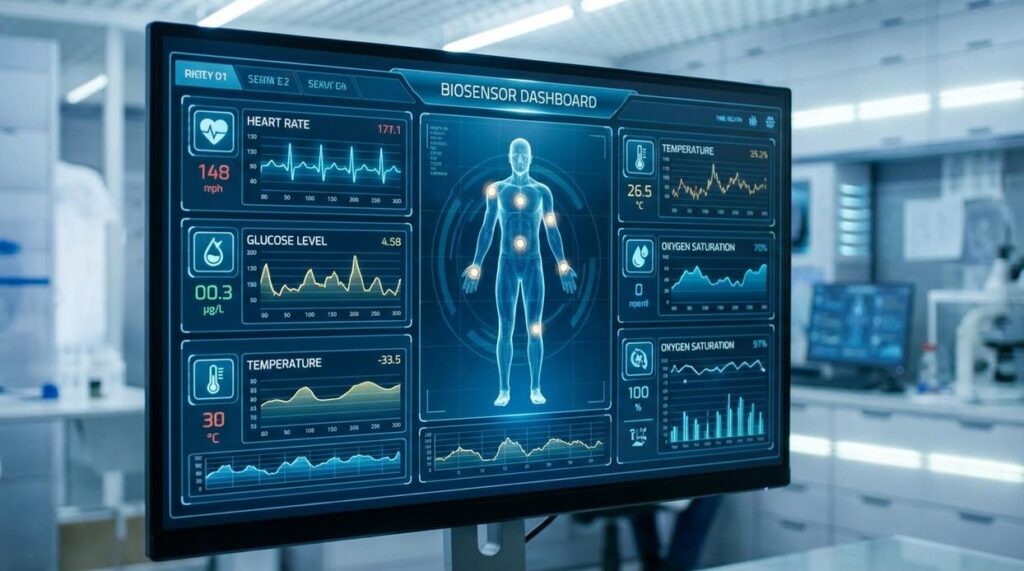
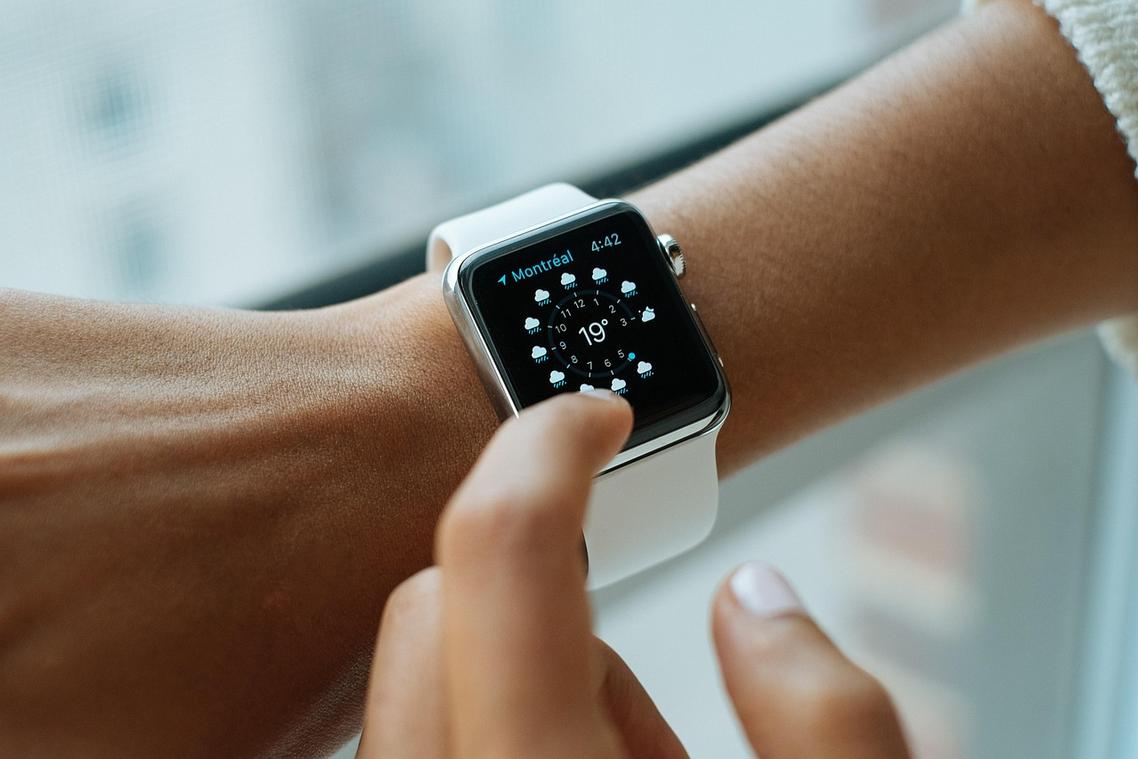
Smartwatches were step one. However, the next generation goes further—embedding biosensors (devices that measure biological data like glucose or cortisol) directly into patches, rings, and even smart fabrics. Unlike passive trackers, next generation wearable technology will predict health events before symptoms appear. For example, continuous glucose monitors already alert users to blood sugar swings (CDC).
So, what can you do now?
- Start with a wearable that offers real-time alerts, not just summaries.
- Prioritize devices with encrypted data protocols.
- Test smart textiles for recovery tracking if you train regularly.
In short, choose tools that act—not just observe.
The Rise of Biosensors: Your Body as a Real-Time Dashboard
For years, wearables tracked steps and heart rate. Useful, yes—but surface-level. Today’s biosensors aim deeper: continuous, non-invasive biochemical monitoring that turns your body into a live data stream. Think of it as upgrading from a fuel gauge to a full engine diagnostic panel (your smartwatch just got a PhD).
Breakthrough #1: Non-Invasive Glucose Monitoring
Traditional glucose testing requires finger pricks. Continuous glucose monitors (CGMs) improved this, but many still rely on minimally invasive sensors. New optical systems use near-infrared spectroscopy to measure glucose through the skin, while sweat-based biosensors analyze trace metabolites. A 2023 study in Nature Biomedical Engineering demonstrated optical glucose sensing with clinically relevant accuracy ranges, signaling real progress toward needle-free management. With diabetes affecting 537 million adults globally (IDF, 2021), the impact could be enormous.
Breakthrough #2: Real-Time Dehydration & Electrolyte Sensors
Microfluidic patches channel sweat into tiny labs-on-skin, measuring sodium and potassium levels. Research from UC San Diego showed wearable patches accurately tracked electrolyte loss during exercise, helping prevent heat-related illness. For athletes and industrial workers, this next generation wearable technology delivers instant hydration alerts.
Troubleshooting: Calibration & Accuracy
Skeptics argue sweat varies too much for reliability. Fair point. But emerging AI-driven personal baseline algorithms continuously recalibrate against individual norms, improving precision over time. Accuracy improves when devices learn you. Pro tip: consistent wear enhances algorithm performance.
Brain-Computer Interfaces (BCIs) translate brainwave patterns captured through electroencephalography (EEG) into digital commands, allowing users to control devices with thought alone.
How BCIs Work
First, lightweight headbands or earbuds read electrical signals produced by neurons. Then, machine-learning models filter and classify those signals into specific intentions, such as moving a cursor or switching on lights. Finally, the system converts recognized patterns into actionable outputs across apps, smart homes, or AR/VR dashboards.
In practical terms, this means someone with a motor impairment can type messages, browse the web, or adjust room temperature independently. Likewise, surgeons, pilots, and analysts working in high-focus environments can reduce physical distractions and maintain workflow.
However, a major hurdle is the signal-to-noise ratio: brain signals are faint, while muscle movement and environmental interference create noise. Advanced filtering algorithms, adaptive calibration, and cloud-based processing now improve accuracy dramatically.
If you’re considering next generation wearable technology, look for devices that offer regular firmware updates, transparent data privacy controls, and clear training protocols. With these safeguards, consumer-grade BCIs are quickly shifting from clinical labs to everyday life. As a result, early adopters can experiment responsibly, track performance metrics, and gradually integrate hands-free control into daily routines without overwhelming complexity. Start small and iterate.
Smart Textiles and E-Skin: When Your Clothes Become the Computer
Smart textiles weave micro-electronics, conductive fibers, and flexible sensors directly into fabric. In simple terms, conductive fibers are threads that carry electrical signals, while flexible sensors bend and stretch without losing function. The result? Clothing that acts like a computer you can wear (no charging brick clipped to your belt).
Consider Smart Shirts vs traditional fitness bands:
- Smart Shirts: Full ECG readings, respiratory tracking, and muscle exertion data
- Fitness Bands: Basic heart rate and step counts
- Smart Shirts: Continuous, medical-grade insights sent to your phone
- Fitness Bands: Snapshot metrics with limited context
Some argue wrist wearables are “good enough.” And for casual tracking, they are. However, if you want hospital-level monitoring during daily life, woven sensors provide broader, more accurate datasets (American Heart Association notes ECG wearables improve arrhythmia detection).
Then there’s Electronic “Tattoos,” or E-Skin—ultra-thin circuits that adhere like temporary tattoos. Smart textiles cover the body; E-Skin integrates directly with it. One monitors broadly, the other interfaces intimately. E-Skin can track vitals, deliver haptic feedback for VR, or function as a seamless touch interface—very sci-fi, but very real.
Power remains the hurdle. Fortunately, kinetic energy harvesting and flexible, washable batteries are advancing rapidly. Similar material science progress seen in breakthroughs in foldable display engineering now supports next generation wearable technology that moves, bends, and lives with you.
The Data Dilemma: Securing Your Most Personal Information
First, let’s be honest: our devices now know more about us than some of our closest friends. As next generation wearable technology tracks heart rhythms, sleep cycles, glucose levels, and even neural signals, the risk isn’t hypothetical—it’s exponential. The more intimate the data, the greater the fallout if it’s exposed.
Traditionally, companies relied on encryption, which scrambles data during transmission. However, I’m far more encouraged by edge computing—processing data directly on the device so raw biometric information never leaves it. In my view, that’s not just smart; it’s essential.
Then there’s biometric anonymization, a method that strips identifying markers so researchers can analyze trends without tying data to a specific person. Think of it like studying traffic patterns without tracking a single driver.
Still, technology alone isn’t enough. You should read privacy policies carefully (yes, even the boring parts). If a company can’t clearly explain its data practices, that’s your cue to walk away.
We have officially moved beyond simple step counters and calorie logs. Today’s wearables hint at a world of embedded biosensors, brain-computer interfaces (BCIs)—systems that translate neural signals into digital commands—and smart fabrics that respond to your environment. In my view, that shift is thrilling and a little unnerving.
However, the real challenge isn’t flashy hardware. It’s data. These tools generate streams of biometric information—heart rhythms, glucose trends, even cognitive patterns. Without tight encryption (the scrambling of data so only authorized parties can read it) and on-device processing, that data becomes vulnerable. And honestly, convenience is never worth compromised privacy.
So what should you look for. Prioritize devices built around secure protocols and local computation. next generation wearable technology should empower you, not expose you. After all, what good is innovation if it can’t protect the person wearing it?
Ultimately, the smartest upgrade is choosing technology that keeps your control intact.
Step Into the Future of Wearable Innovation
You came here to understand where next generation wearable technology is heading—and now you have a clearer view of the innovations, security protocols, and breakthrough devices shaping the future. From smarter sensors to more secure connectivity frameworks, you’ve seen how rapidly this space is evolving and why staying informed is no longer optional.
The real challenge isn’t access to devices—it’s keeping up with constant change, avoiding security risks, and knowing which advancements truly matter. Falling behind means missed opportunities, costly troubleshooting, and exposure to preventable vulnerabilities.
Now is the time to act. Stay ahead of innovation alerts, strengthen your understanding of secure protocol development, and apply proven troubleshooting strategies before small issues become major setbacks. Join thousands of forward-thinking readers who rely on trusted insights to navigate emerging tech with confidence.
Don’t wait for disruption to catch you off guard. Explore the latest updates, sharpen your technical edge, and position yourself at the forefront of wearable innovation today.

 Ask Bradford Folandevada how they got into emerging device breakthroughs and you'll probably get a longer answer than you expected. The short version: Bradford started doing it, got genuinely hooked, and at some point realized they had accumulated enough hard-won knowledge that it would be a waste not to share it. So they started writing.
What makes Bradford worth reading is that they skips the obvious stuff. Nobody needs another surface-level take on Emerging Device Breakthroughs, Insider Knowledge, Secure Protocol Development. What readers actually want is the nuance — the part that only becomes clear after you've made a few mistakes and figured out why. That's the territory Bradford operates in. The writing is direct, occasionally blunt, and always built around what's actually true rather than what sounds good in an article. They has little patience for filler, which means they's pieces tend to be denser with real information than the average post on the same subject.
Bradford doesn't write to impress anyone. They writes because they has things to say that they genuinely thinks people should hear. That motivation — basic as it sounds — produces something noticeably different from content written for clicks or word count. Readers pick up on it. The comments on Bradford's work tend to reflect that.
Ask Bradford Folandevada how they got into emerging device breakthroughs and you'll probably get a longer answer than you expected. The short version: Bradford started doing it, got genuinely hooked, and at some point realized they had accumulated enough hard-won knowledge that it would be a waste not to share it. So they started writing.
What makes Bradford worth reading is that they skips the obvious stuff. Nobody needs another surface-level take on Emerging Device Breakthroughs, Insider Knowledge, Secure Protocol Development. What readers actually want is the nuance — the part that only becomes clear after you've made a few mistakes and figured out why. That's the territory Bradford operates in. The writing is direct, occasionally blunt, and always built around what's actually true rather than what sounds good in an article. They has little patience for filler, which means they's pieces tend to be denser with real information than the average post on the same subject.
Bradford doesn't write to impress anyone. They writes because they has things to say that they genuinely thinks people should hear. That motivation — basic as it sounds — produces something noticeably different from content written for clicks or word count. Readers pick up on it. The comments on Bradford's work tend to reflect that.